
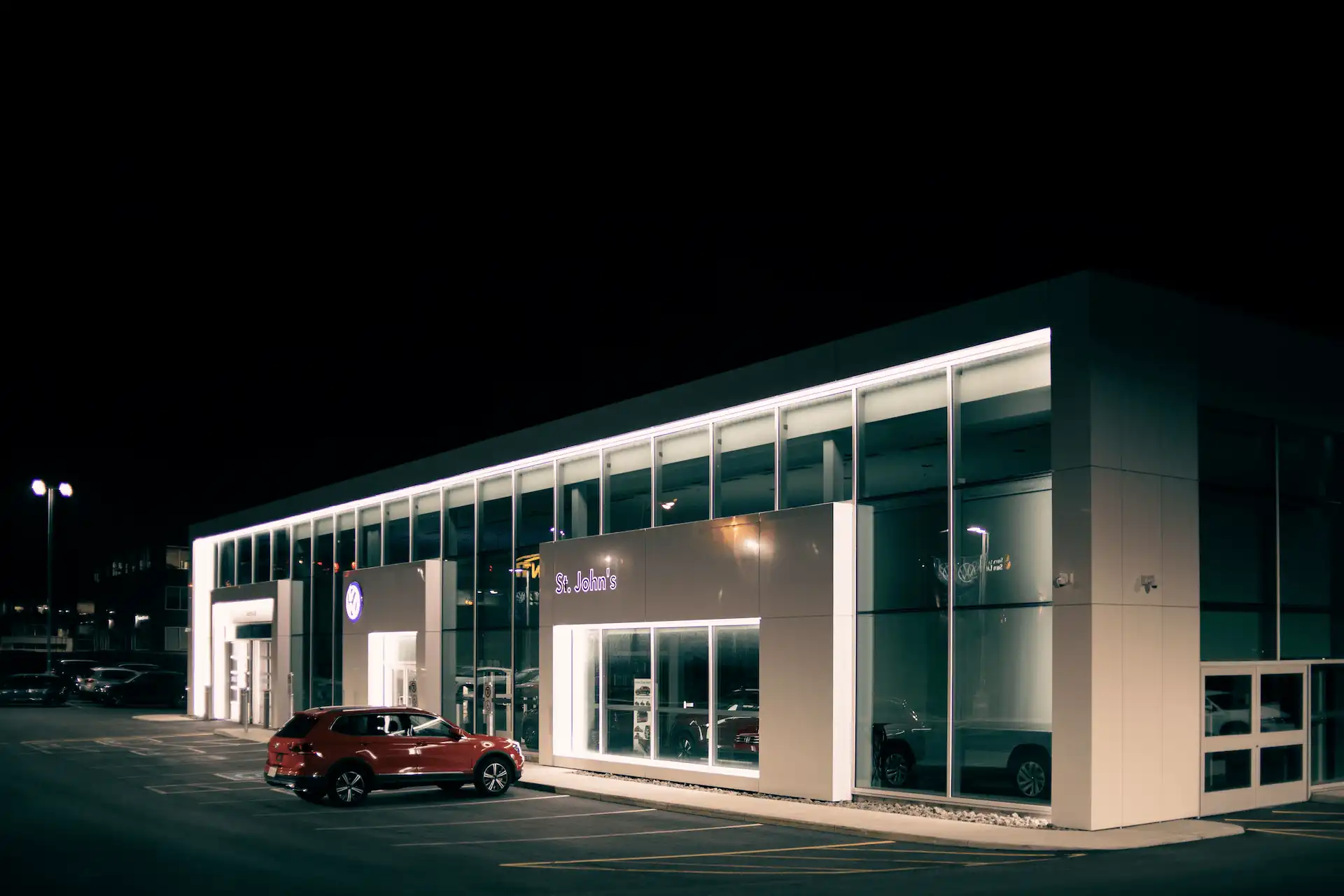
Something is changing in American driveways. Cars that used to roll back to the dealership for every oil change and brake job now pull into the independent shop down the street instead. Line up the survey data from the names that carry weight (Consumer Reports, J.D. Power, AAA, S&P Global Mobility) and it points the same way: on the two things drivers care about most, price and trust, independents are beating the dealer.
What Consumer Reports found
In March 2024, Consumer Reports published a survey that’s hard to argue with. Its members reported on 11,670 out-of-pocket repairs across 36 national chains, independent shops as a group, and franchised dealerships, drawn from 10,973 people. CR threw out warranty work, recalls, and routine maintenance first. What’s left is the money drivers feel in their own wallets.
The finding was blunt. Independent shops earned the highest marks for price satisfaction. Dealerships scored the lowest, and nearly all of them landed the worst possible rating on price. Only Acura and Tesla service departments did any better, and barely. Independents were the one category drivers rated favorably for willingness to negotiate. In the whole survey, exactly two kinds of shop earned top overall-satisfaction scores: independent repair shops and Goodyear Auto Service.
CR’s chief mechanic, John Ibbotson, didn’t soften it. Service departments are “a big revenue source for dealerships,” he said, and drivers can save real money by taking their cars to experienced independents instead. Many of those independents, he points out, are former dealership techs who left to open their own shops.
How big is the dealer premium, really?
Satisfaction scores tell you how people feel. The dollar figures tell you why.
The clearest dollar comparison on record comes from the Automotive Aftermarket Industry Association, which commissioned a repair-cost study for Congress. Across ten common repair jobs in six cities, it found dealerships charged about 34% more than independents on average: 36.8% more on foreign-brand vehicles and 31.5% more on domestic ones. For 2008 alone, the study put the total extra cost to consumers at $11.7 billion.
That study is old now. But labor rates still tilt the same way: dealerships typically charge $20 to $40 an hour more than nearby independents, on top of generally higher prices for parts.
J.D. Power’s 2024 U.S. Customer Service Index, built on responses from 64,781 owners, puts a price on a single visit. The average mass-market dealer service visit now runs about $140, up $15 in a year. The average premium-brand visit runs about $380, up $66. Both have climbed roughly 30% in just two years. The bill keeps rising. The only real question is where you choose to pay it.
The trust problem dealers can’t buy their way out of
Price is one half. The other half is that a lot of drivers don’t believe the people fixing their cars.
AAA found that two-thirds of US drivers (63%) don’t trust auto repair shops in general, with the top complaints being recommendations of unnecessary services (76%) and overcharging (73%). AAA also put the scale of it plainly: about 75 million motorists, one in three American drivers, hadn’t found a single repair facility they trusted. A ConsumerAffairs survey of 1,000 drivers said much the same, with 78% reporting they don’t always trust mechanics and only 17% feeling they’re always charged fairly. A 2023 Jerry survey found 65% of vehicle owners frustrated by a lack of pricing transparency, and nearly nine in ten suspecting they’d been overcharged at some point.
This is the part no waiting room fixes. Free coffee and loaner cars are pleasant, but they don’t touch the worry that the shop is selling you a job you don’t need. Independents tend to earn trust the slow way, through reputation and prices a person can actually push back on.
And the worry isn’t abstract, because most households have no cushion for a surprise. AAA found that 64 million American drivers couldn’t cover an unexpected repair without going into debt. A 2023 FinanceBuzz survey found that 58% couldn’t afford an emergency repair costing more than $1,000. When a third of the bill is dealer premium, that gap can decide whether you pay cash or borrow.
The market is already moving
This shift shows up in the numbers, not just in theory. America’s cars are getting old. The average light vehicle on the road is now 12.8 years old, according to S&P Global Mobility, and older cars rarely go back to the dealer. Consumer Reports found the same pattern in its survey: the older the car, the less likely its owner is to bring it to a dealership.
The reasons drivers give for leaving have also changed in a telling way. Per J.D. Power, being able to get a prompt appointment has now overtaken lower cost as the top reason owners pick an independent over a franchised dealer. So dealers are losing on availability and on price at the same time.
When the dealer is still the right call
None of this means you should swear off the service department for good. There’s a specific set of jobs where the dealer is the clear choice, and sometimes the legally required one:
- Warranty work. If your car is under warranty, the repair is free at the dealer. Pay an independent and you’re spending money you didn’t have to.
- Recalls and factory campaigns. These almost always have to be done by a franchised dealer, at no cost to you.
- Software, modules, and key programming. A lot of late-model fixes need manufacturer server access that an independent simply can’t get.
- ADAS calibration. After a windshield replacement or a minor collision, the cameras and radar behind your driver-assistance systems need precise recalibration. AAA found that a minor front or rear collision on a sensor-equipped car can run as high as $5,300, almost two and a half times the cost of the same damage on a car without the tech. A later AAA study found that fixing these systems can account for more than a third of a collision repair bill. Don’t hand this to the cheapest shop in town.
- Brand-specific complex diagnostics on newer or low-volume models, where dealer tooling and training genuinely matter.
One myth worth putting to rest: using an independent shop for routine maintenance does not void your manufacturer’s warranty. Under the Magnuson-Moss Warranty Act, the FTC says it’s illegal for a dealer to deny warranty coverage just because you had routine work done somewhere else. Keep your receipts and you’re covered.
How to find an independent you can actually trust
The whole case for independents falls apart if you pick a bad one, so vet the shop before you commit:
- Look for ASE certification, the blue seal, and ask whether the technician actually working on your car is certified, not just the owner.
- Favor vetted networks. AAA Approved Auto Repair shops meet AAA’s standards and back their work with a 24-month/24,000-mile warranty on parts and labor, provide written estimates the final bill can’t exceed by more than 10% without your okay, and come with AAA arbitration if there’s a dispute. RepairPal Certified shops honor a fair-price guarantee. NAPA AutoCare is another solid screen.
- Get it in writing. A good shop walks you through the diagnosis and puts the estimate on paper before it touches the car.
- Test-drive the relationship. Use a small job, an oil change or a brake inspection, to judge a shop’s honesty before you trust it with a big repair. As Ibbotson puts it, sticking with one shop over time lets its mechanics catch small problems before they turn expensive.
On the big jobs, protect yourself. Get three written estimates. Check them against a free fair-price estimator. Describe your symptoms instead of guessing at the diagnosis. Ask to see the worn part. And make clear that the choice between OEM and aftermarket parts is yours.
The bottom line
The smartest approach is a split. Send the car to a franchised dealer for warranty work, recalls, factory software, and anything that involves calibrating a safety system. Take it to a trusted, ASE-certified independent for everything else, which, on most out-of-warranty cars, is the large majority of repairs.
The data has been saying the same thing from several directions for years now. Independents cost meaningfully less. Drivers trust them more. And the market is voting with its tires. Dealers built their service business on the bet that owners would keep coming back out of habit. A lot of them have stopped.